Breeders
Select stallions years before knowing the outcome.

Artificial intelligence is coming to horse racing. The important question is not whether the technology will arrive, but where it can actually make horsemen better.
Horse Sense examines how AI can organize information, test assumptions, improve consistency, expand access to knowledge, and support better decisions without replacing horsemanship, experience, judgment, or accountability.
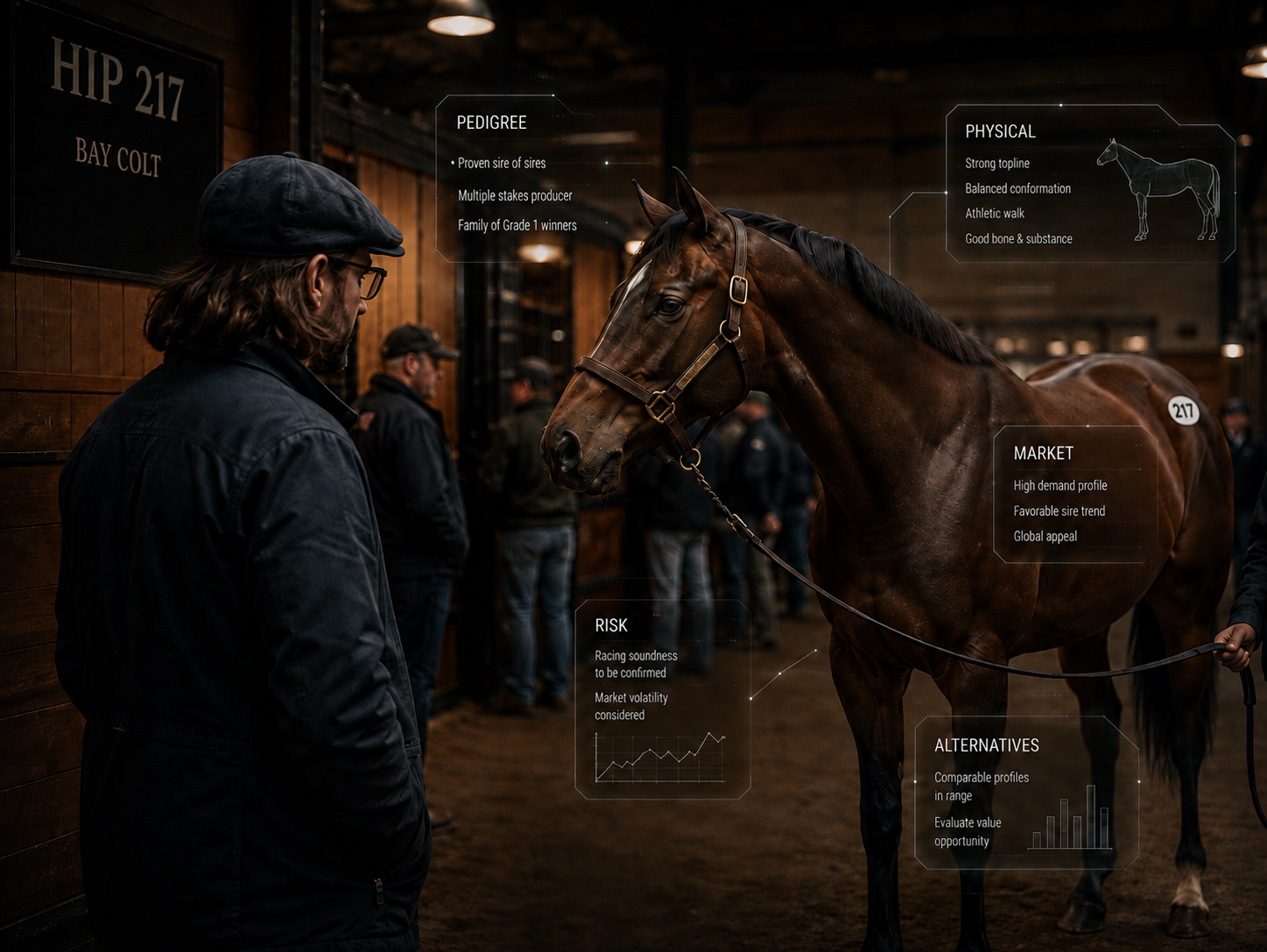
AI will help with administrative work, but that is unlikely to determine which farms breed better horses, which buyers identify better prospects, or which operations make stronger long-term decisions.
Select stallions years before knowing the outcome.
Evaluate young horses before they ever reach the racetrack.
Make daily development decisions with incomplete information.
Balance risk, timing, treatment, and long-term soundness.
Make operational and breeding decisions that compound over time.
Commit substantial capital while outcomes remain uncertain.
AI & Bloodstock examines how artificial intelligence can help horsemen see more clearly, ask better questions, and make more disciplined decisions without taking control away from the person responsible for the horse.
Artificial intelligence should not become the horseman. It should become another voice in the discussion.
A breeder already consults bloodstock professionals. A trainer speaks with a veterinarian. A consignor works with farm managers. An owner may seek several opinions before committing capital.
AI should work the same way: contributing information, challenging assumptions, and improving the discussion while the final decision remains with the horseman.
Bring together relevant pedigree, racing, sales, breeding, physical, and market information.
Test assumptions, identify missing information, and challenge the initial conclusion.
Compare evidence, alternatives, risk, probability, and possible outcomes.
Present options, ranges, tradeoffs, and possible consequences more clearly.
Apply human experience, judgment, horsemanship, and accountability.
Mating options, stallion selection, family strength, and genetic compatibility.
Comparing pedigree, physical quality, market position, and purchase risk.
Patterns in performance, development, training, and race outcomes.
Monitoring, detection, prevention, and long-term soundness decisions.
Forecasting, budgeting, labor planning, sales positioning, and operational efficiency.
Using AI responsibly while preserving accountability, transparency, and horsemanship.
Experience, observation, and judgment remain the foundation.
Data sources, methods, assumptions, and limitations should be understood.
The quality of the question shapes the quality of the output.
More data is not automatically better if it does not improve the decision.
AI can inform the decision. The horseman still owns the outcome.
The series moves from the basic role of artificial intelligence in horse racing to the practical questions of knowledge, data, expertise, evaluation, breeding, buying, and the responsibilities technology can never assume.
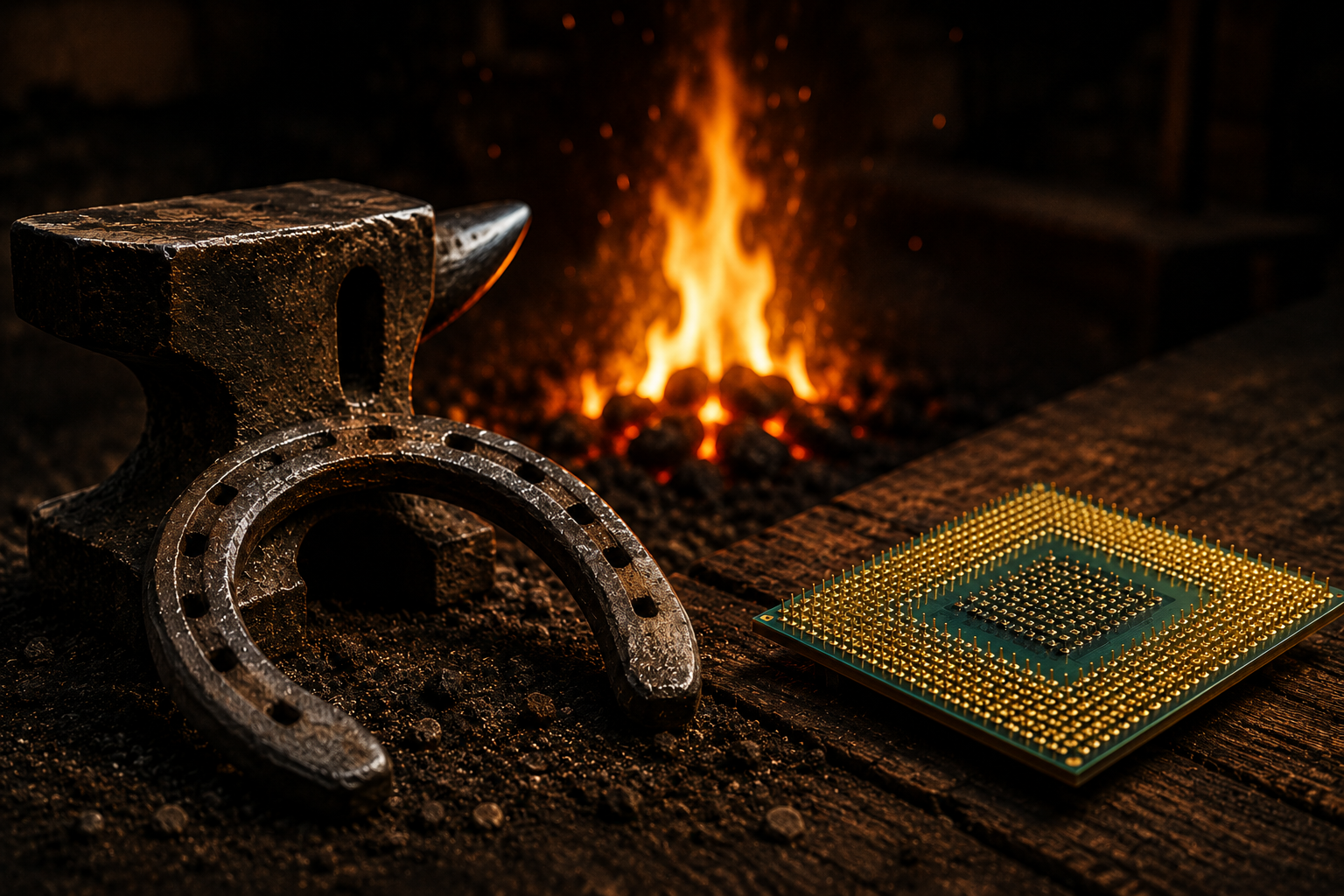
AI's biggest opportunity is not automating office work. It is helping horsemen make better decisions about horses.
Read Article →
AI should improve the discussion, challenge assumptions, and help the horseman think more completely.
Read Article →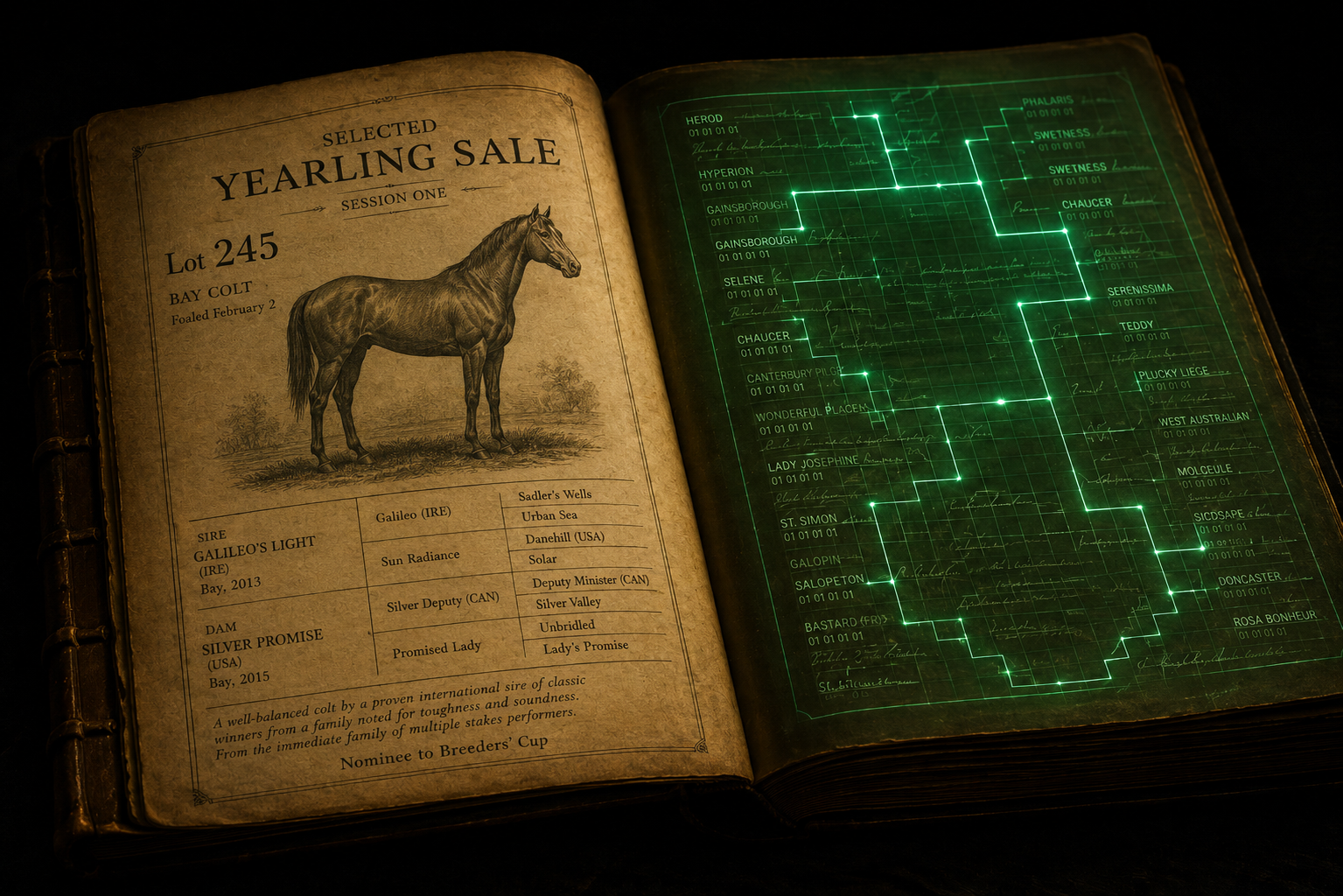
AI may change how quickly knowledge can be organized, tested, and applied.
Read Article →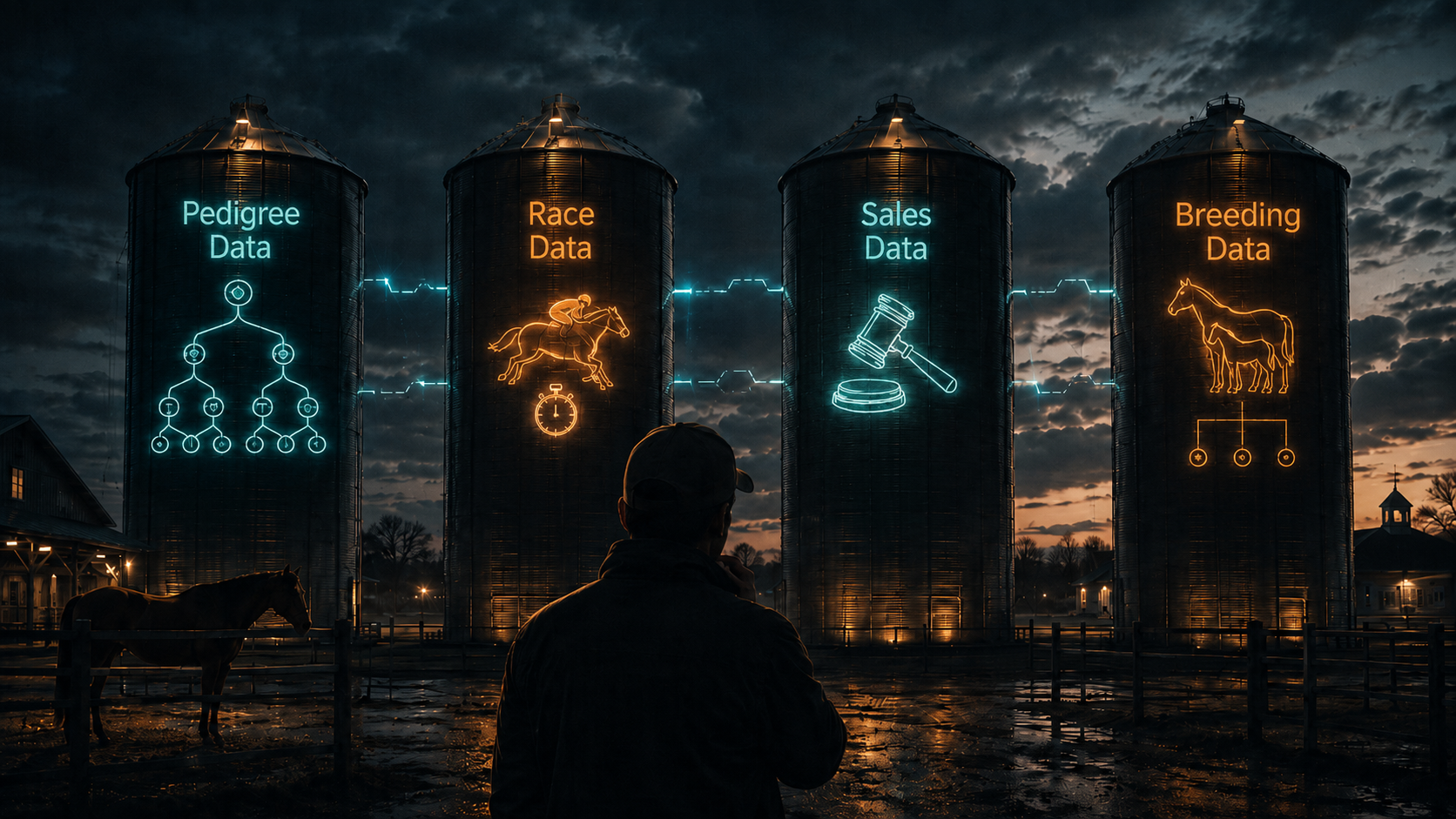
Racing has enormous amounts of information, but much of it remains fragmented, restricted, or difficult to connect.
Read Article →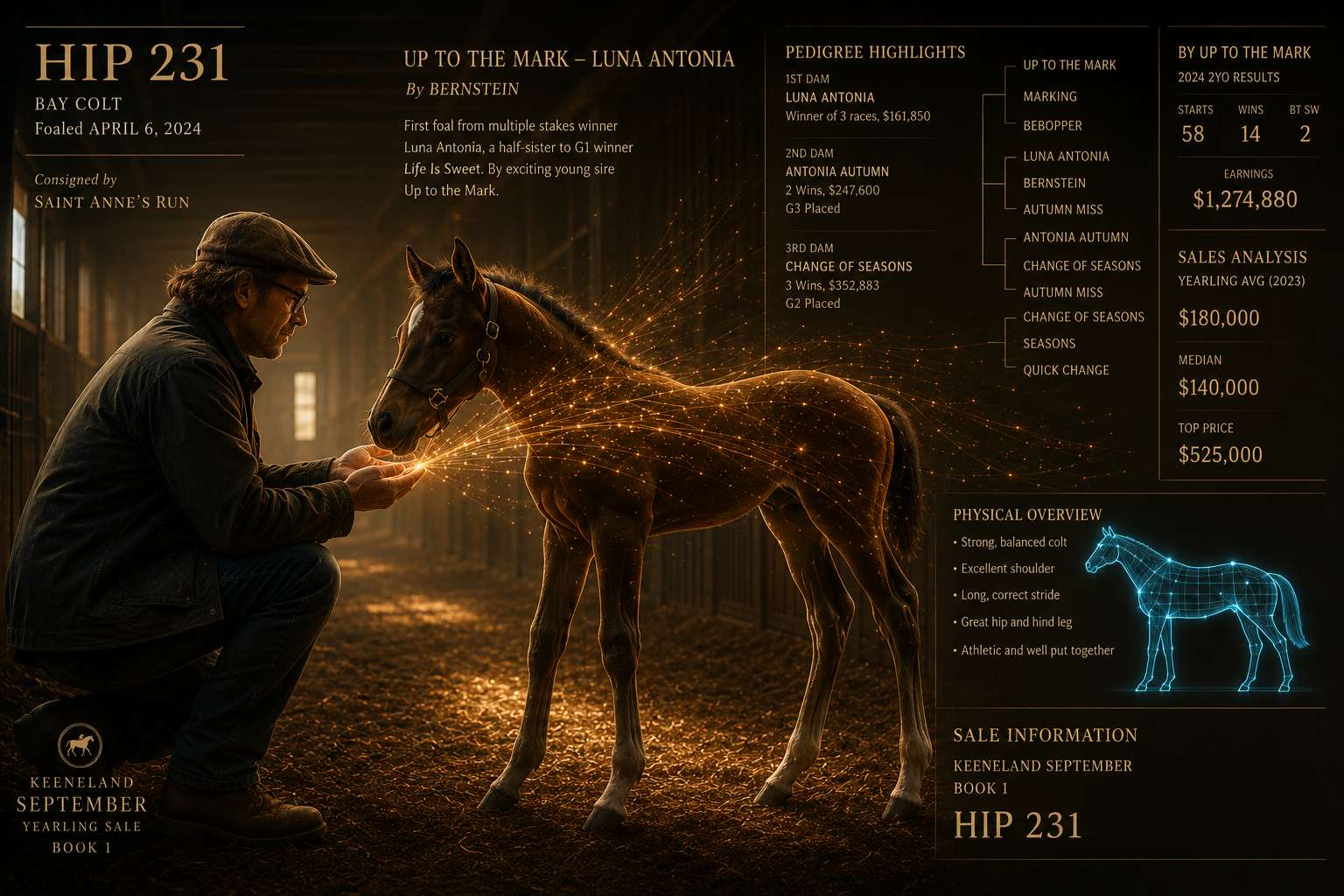
Technology can reduce time spent gathering information so experts can spend more time applying judgment.
Read Article →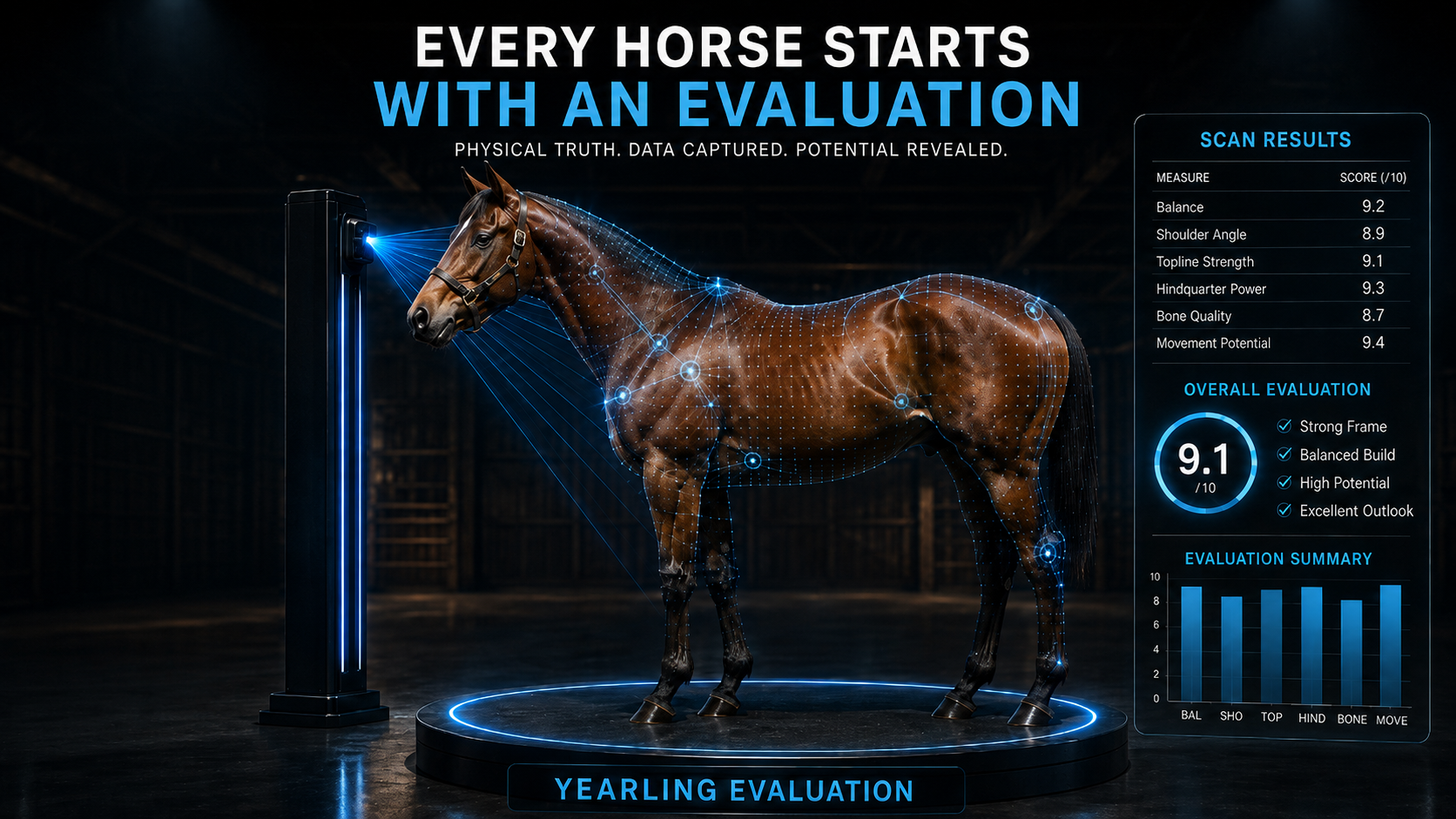
AI should support evaluation of the individual horse, not replace the horseman's eye.
Read Article →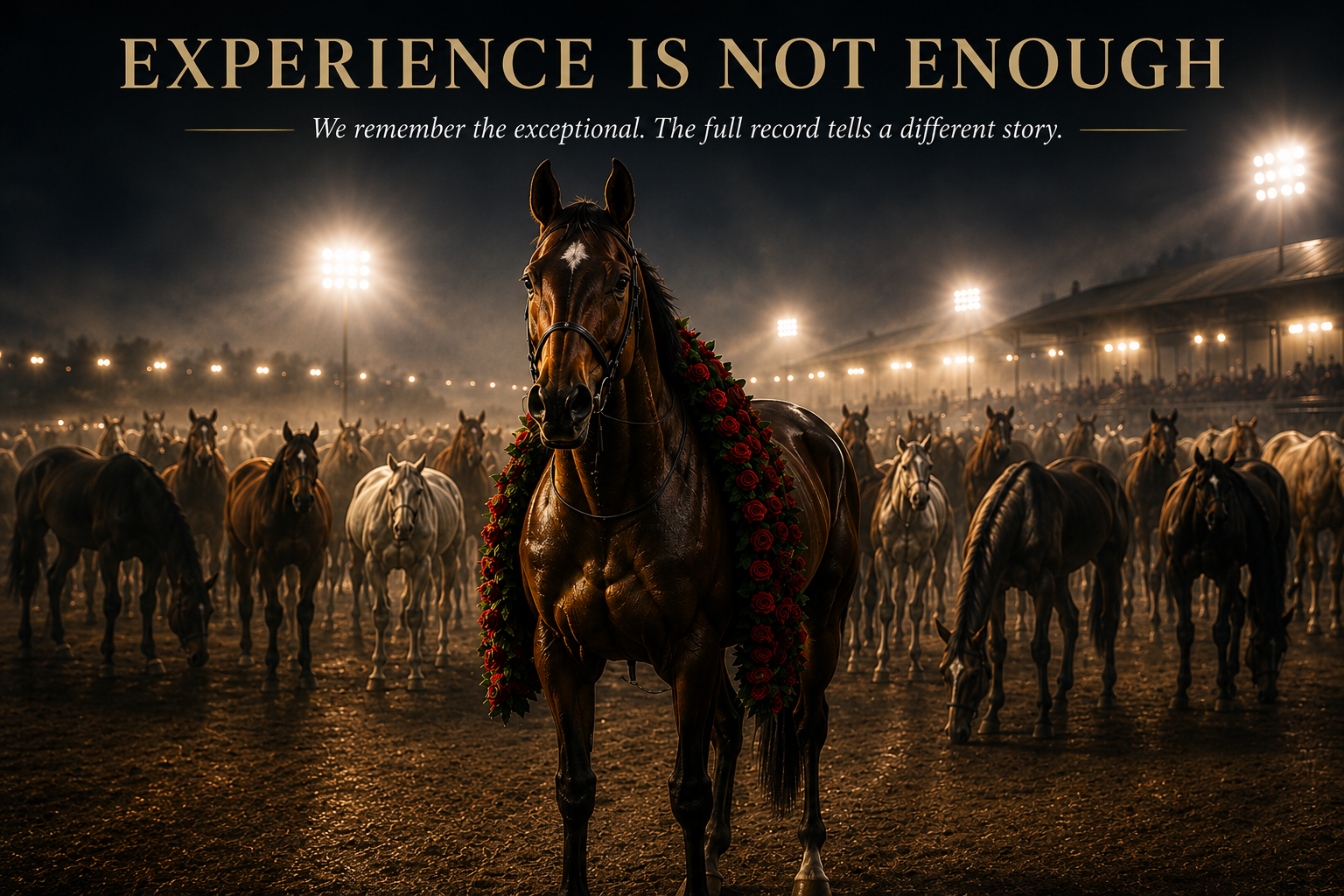
Human memory favors memorable examples. AI can test whether those examples reflect the broader evidence.
Read Article →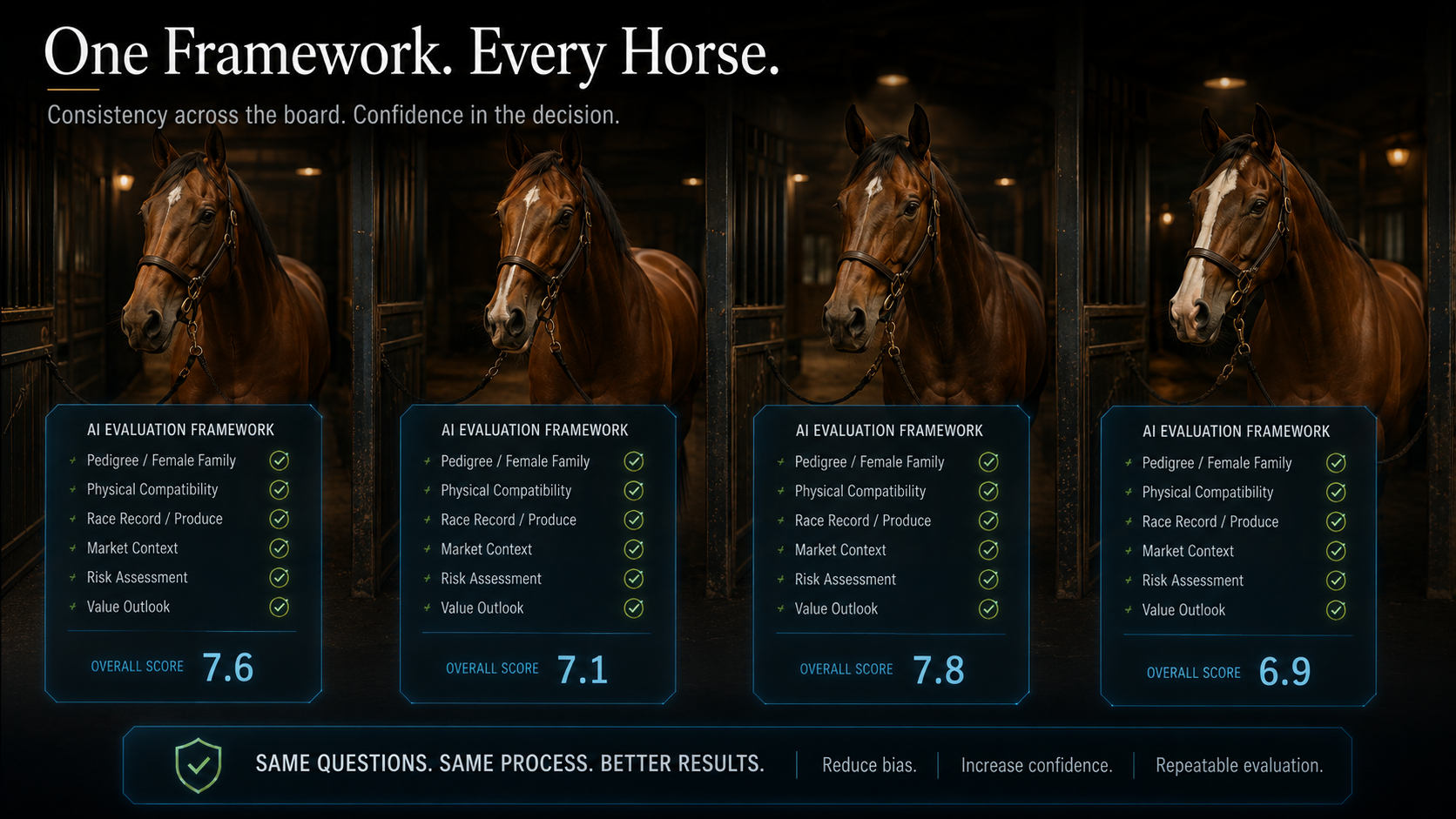
Consistent evaluation allows judgment to become more repeatable across horses and across time.
Read Article →
One of AI's greatest strengths may be forcing us to challenge assumptions before committing to a decision.
Read Article →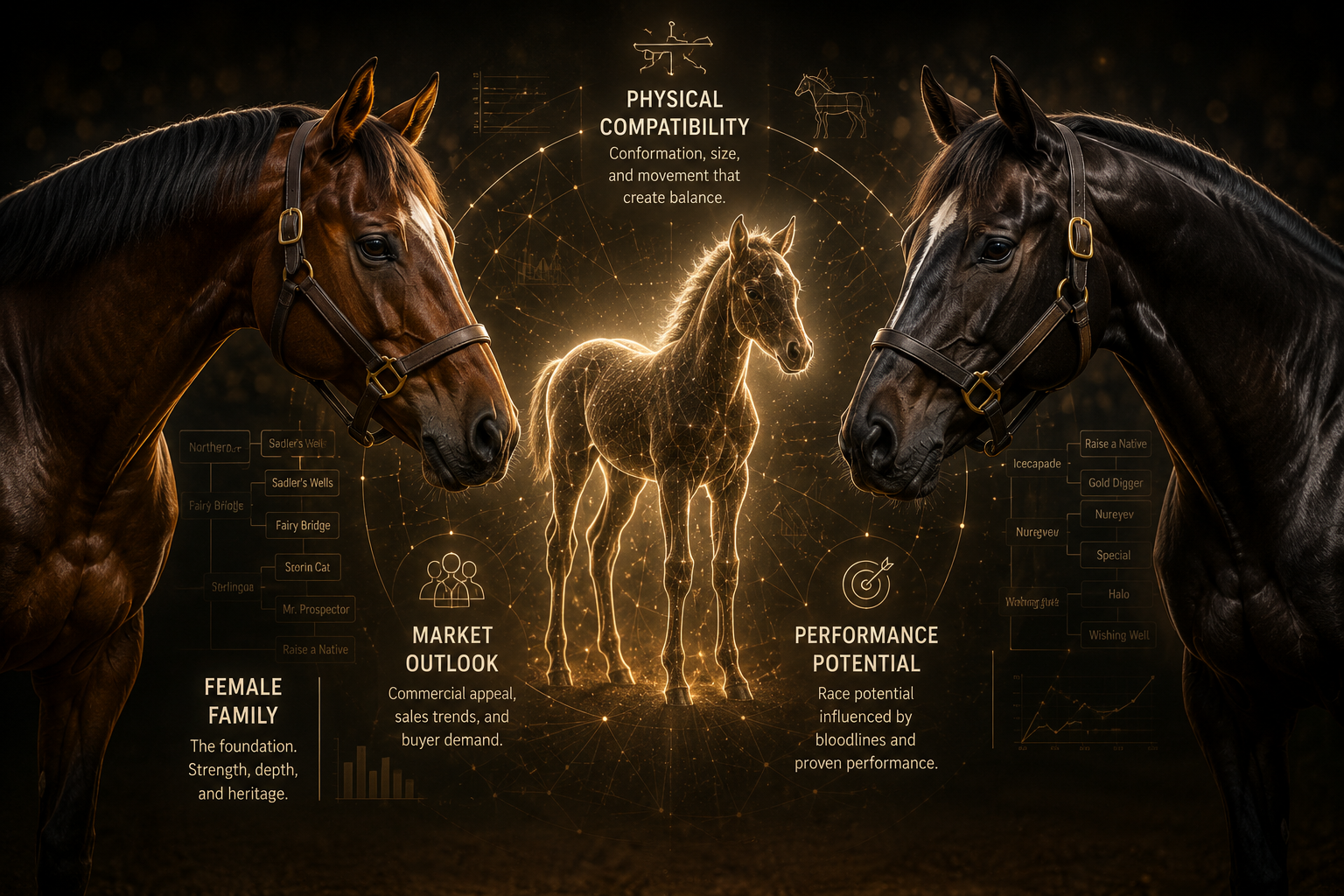
AI can help bring pedigree, physical traits, performance, market demand, cost, and family history together.
Read Article →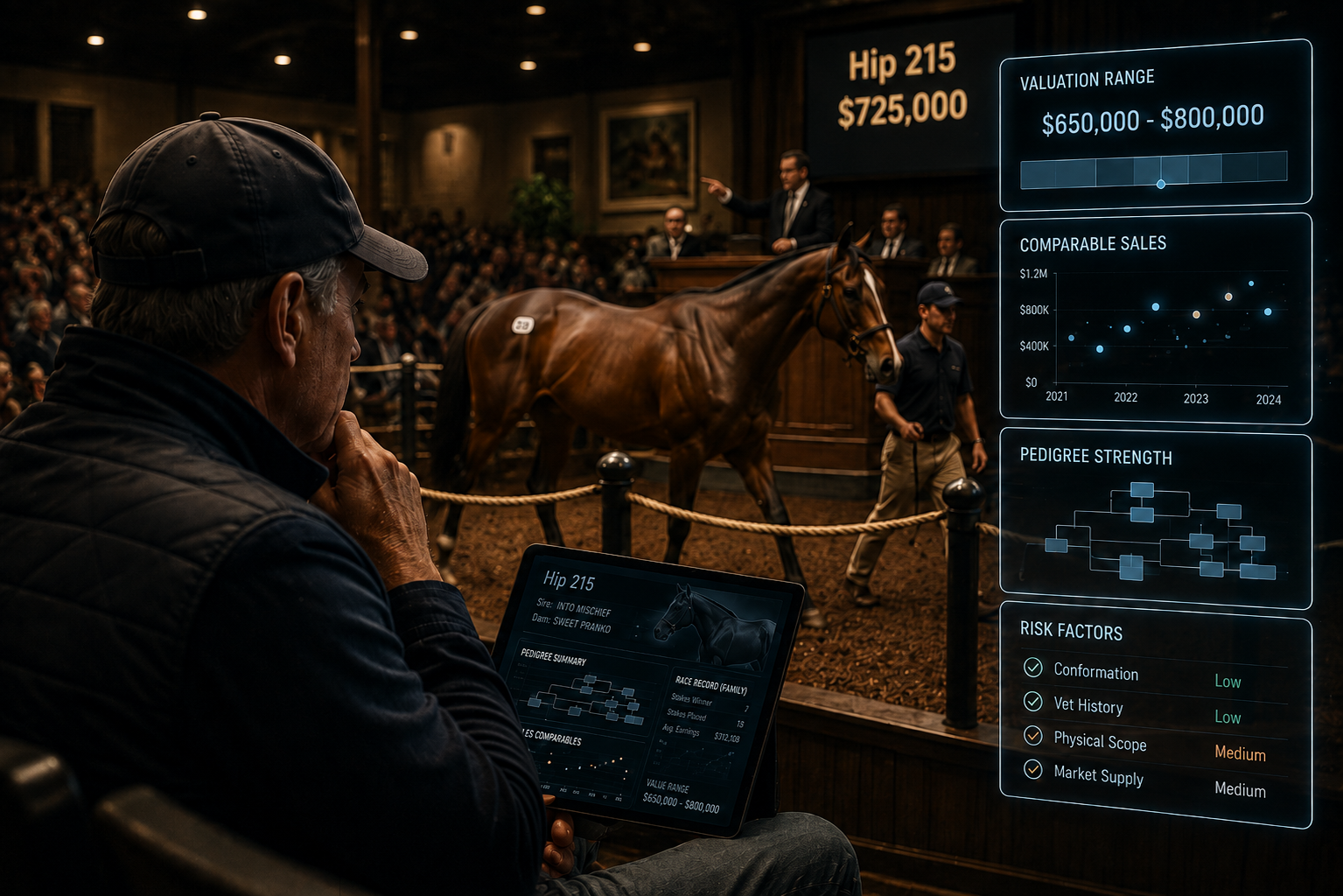
AI can strengthen preparation and provide an objective reference before emotion takes over.
Read Article →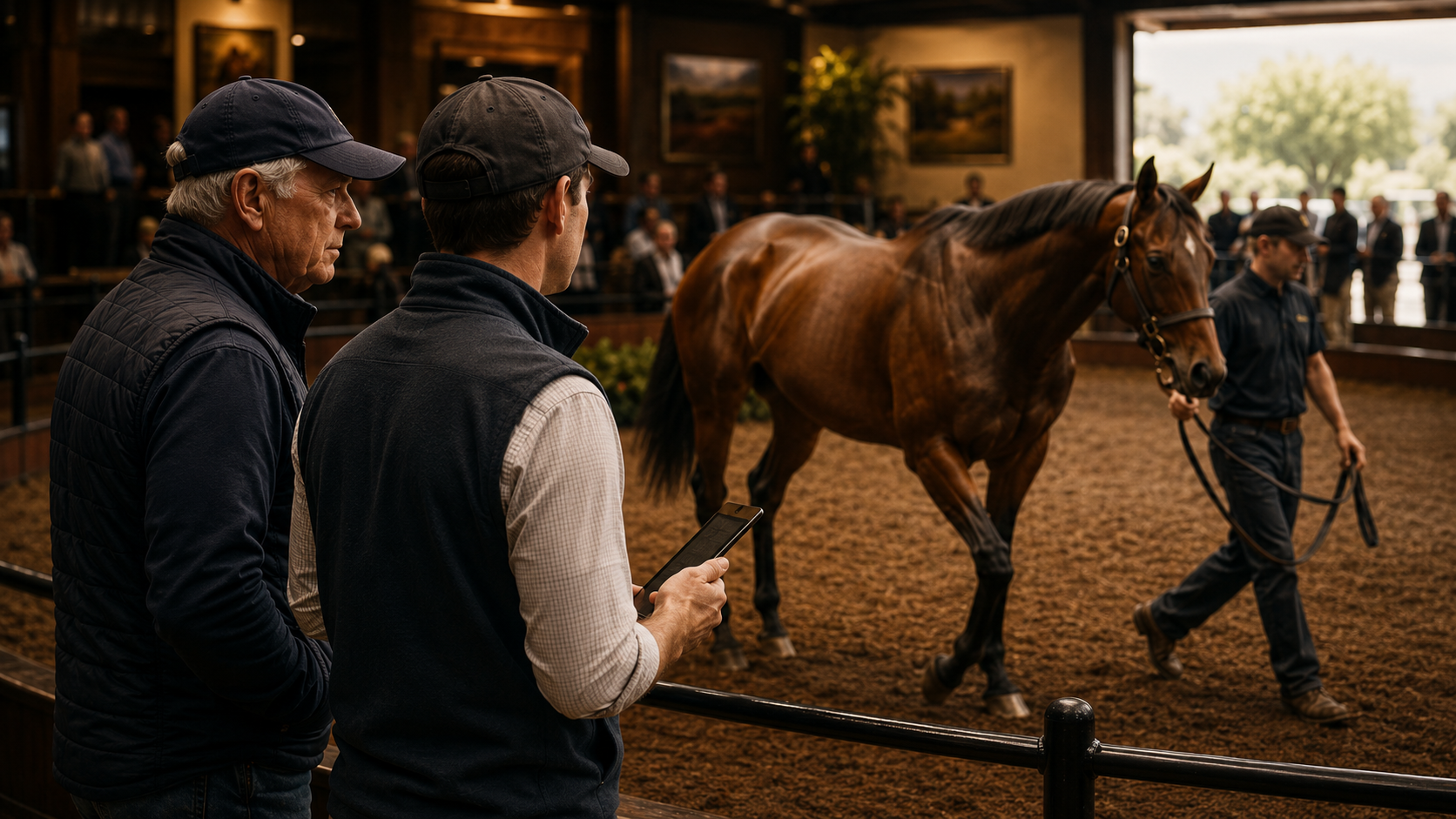
The advantage will come from combining technology with horsemanship, critical thinking, and accountability.
Read Article →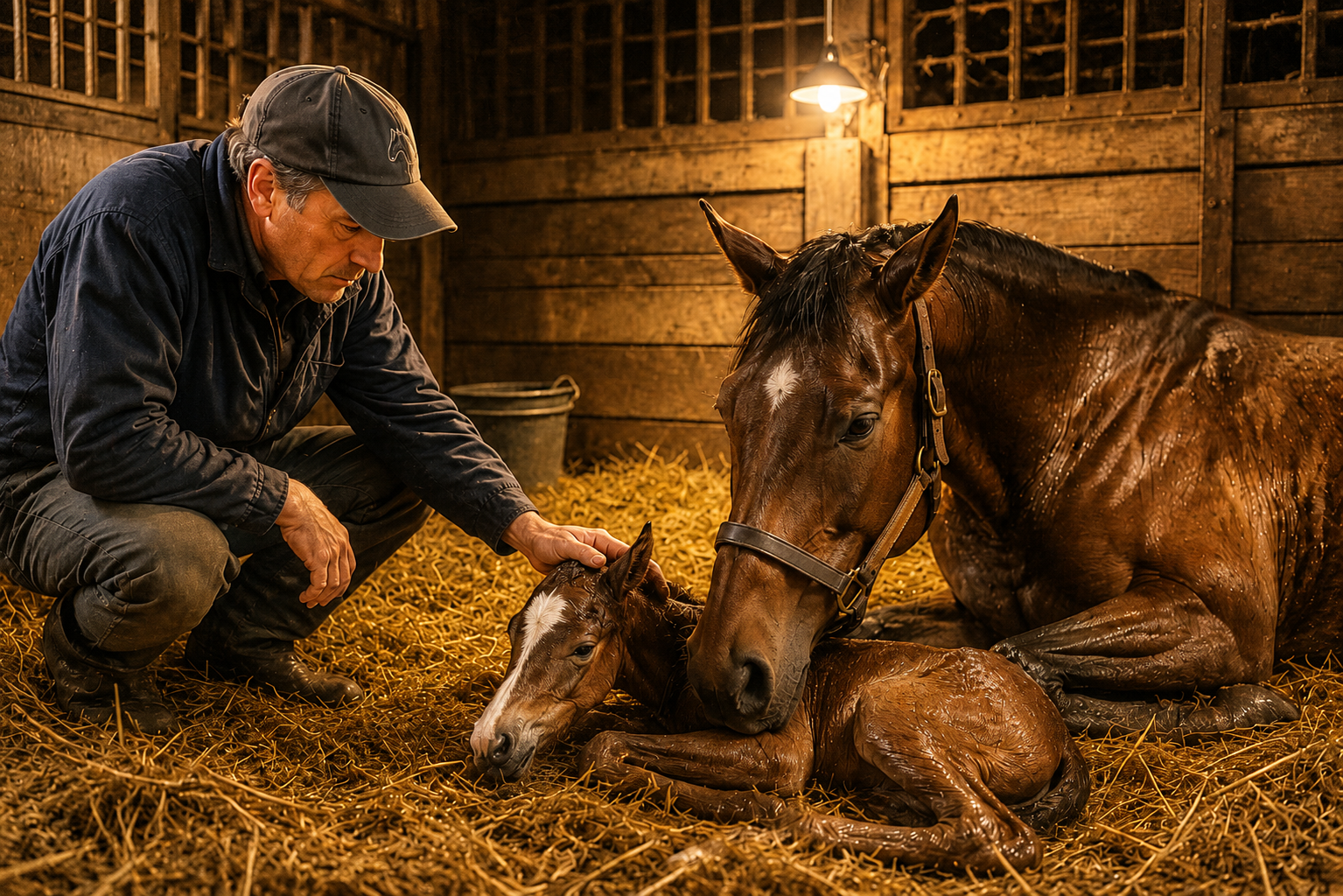
Judgment, compassion, accountability, and responsibility for the horse remain human.
Read Article →
Artificial intelligence will continue to become faster, more capable, and more deeply integrated into the horse business. But the technology itself is not the objective.
The objective is better decision-making.
AI can help gather information, recognize patterns, test assumptions, compare alternatives, and make analytical processes more consistent. The horseman still has to understand the horse, interpret the evidence, decide what matters, and accept responsibility for the outcome.
Use intelligence to protect instinct, not replace it.